Enterprise Architecture
-
Enterprise Architecture in 2025: A Year in Review and What Comes Next

The articles published in 2025 began to converge on a practical way to approach Enterprise Architecture. Continue reading
-
How to Use TOGAF Without Becoming the Archetype of Its Adherents

TOGAF is best understood as a collection of potentially useful architectural tools that can be applied selectively according to an organization’s needs. Continue reading
-
The Latin of Enterprise Architecture: The Zachman Framework Is Historically Significant but Rarely Used

The Zachman Framework helped shape the language and early thinking of enterprise architecture and has enduring intellectual significance even though the discipline has moved far beyond it. Continue reading
-
The Structure Behind the Practice: Enterprise Architecture Frameworks and Methods

Enterprise architecture frameworks, methods, and methodologies provide different ways to structure, organize, and perform architectural work. Continue reading
-
A Brief History of Architecture Frameworks, Methods, and Methodologies

From early classification frameworks to contemporary methods, approaches to Enterprise Architecture have evolved alongside the organizations and technologies they were created to address. Continue reading
-
Calm Down and See the Bigger Picture—It’s Just Architecture

As engineering organizations grow, enterprise architecture becomes essential because scale demands consistency. Continue reading
-
Enterprise Architecture Measurement: A No-Nonsense Approach to Metrics and Governance
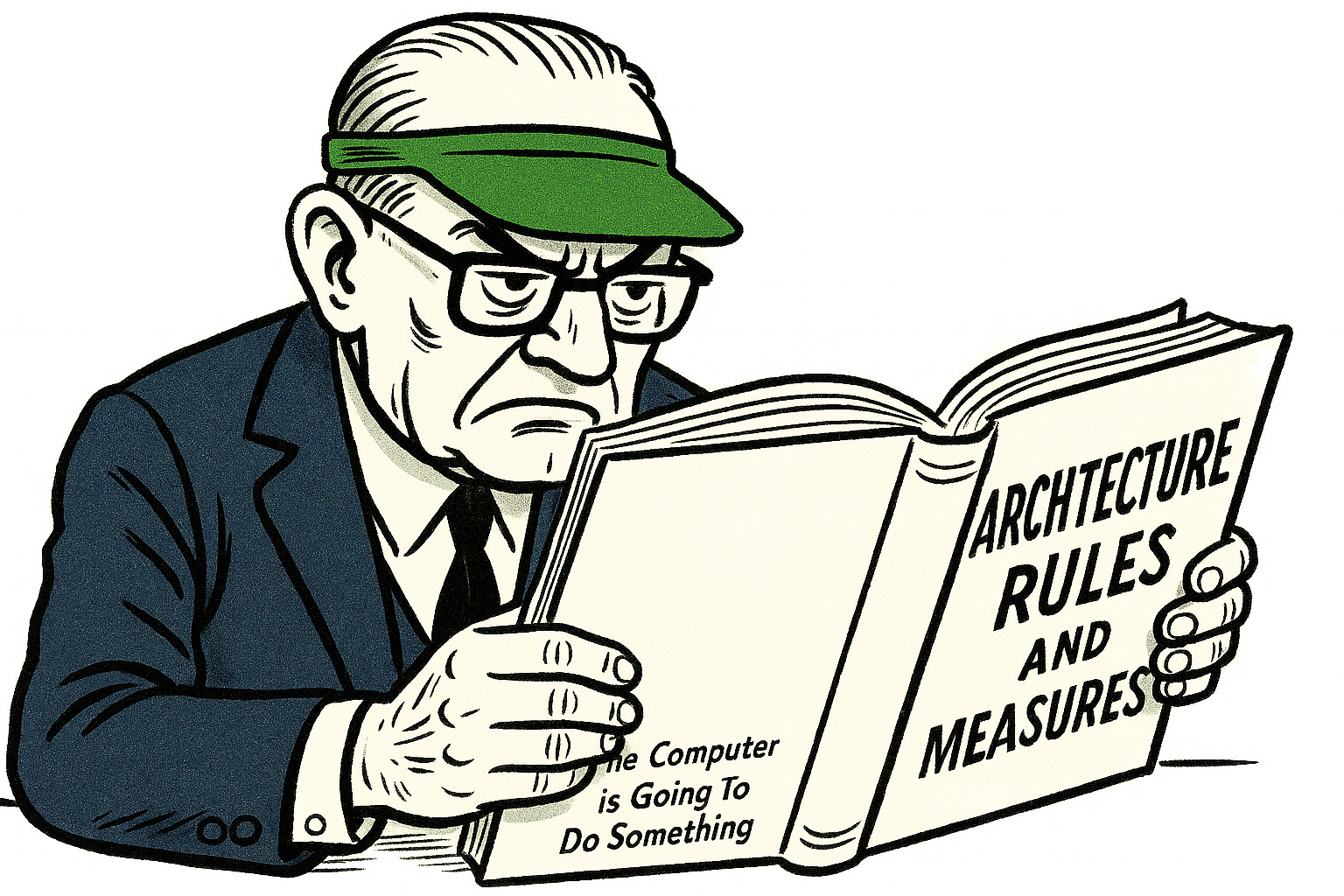
Designing enterprise architecture for measurement makes architectural effectiveness objectively demonstrable. Continue reading
-
How Rules Translate Architectural Intent into Action

By translating policy into actionable rules, enterprise architecture establishes a measurable foundation for consistent engineering at scale. Continue reading
-
When Architecture Requirements Meet Organizational Politics
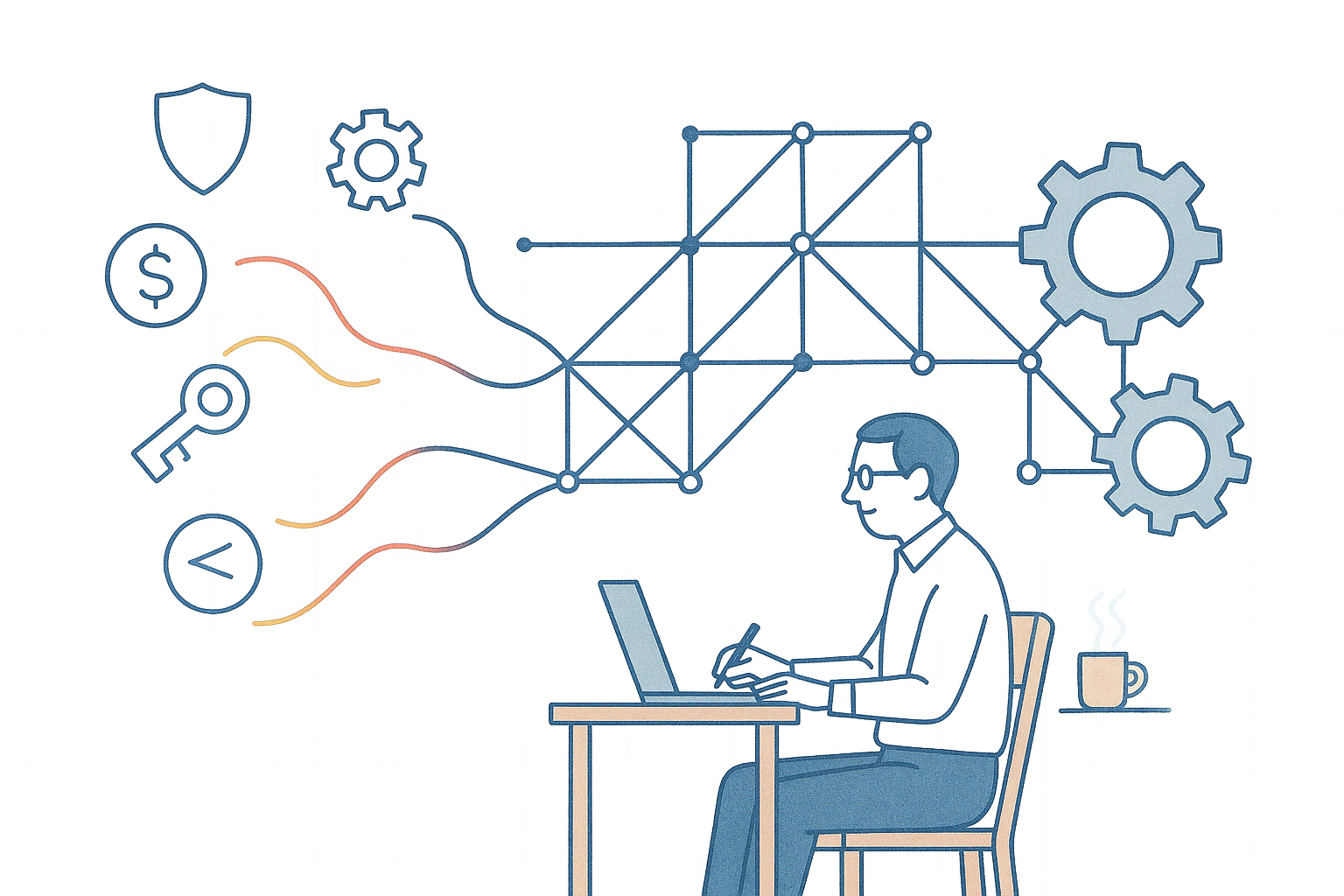
As architectural requirements cross organizational boundaries, they inevitably encounter competing priorities, overlapping responsibilities, and established authority. Continue reading
-
How Policy Integration Works in Enterprise Architecture
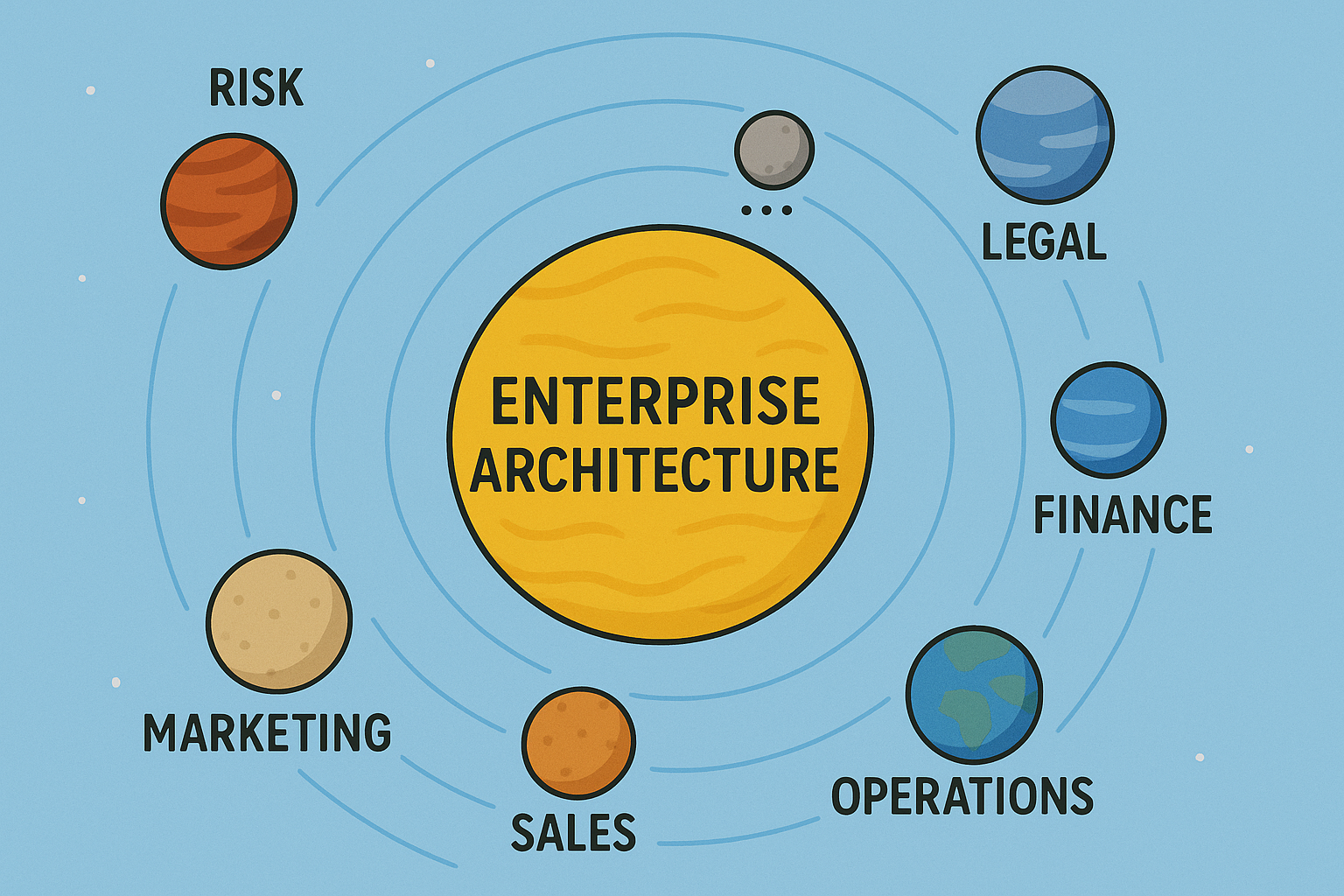
When architecture requirements originate from organizational policy, they carry both technical precision and organizational authority. Continue reading