Frameworks
-
Enterprise Architecture in 2025: A Year in Review and What Comes Next
A reflective review of Enterprise Architecture in 2025, covering asset management, policy integration, architecture frameworks, and the ongoing work of translating strategy into technology execution. Continue reading
-
How to Use TOGAF Without Becoming the Archetype of Its Adherents

I recently came across a post on LinkedIn about Enterprise Architecture. It started by listing all the major frameworks just to posit that a real practitioner must master all of them. This résumé disguised as scholarship never mentioned outcomes, results, or delivering value. It presumed the frameworks’ intrinsic value was what mattered, along with knowing Continue reading
-
The Latin of Enterprise Architecture: The Zachman Framework Is Historically Significant but Rarely Used

There’s a faint echo of Max Horkheimer in the Zachman Framework: that if we categorize reality with enough intellectual discipline, the world will finally make sense. The Zachman Framework asserts that the totality of an enterprise can be rigorously divided and expressed through distinct architectural classifications. It asks you to take an unwise intellectual leap, Continue reading
-
The Structure Behind the Practice: Enterprise Architecture Frameworks and Methods

In Defining Enterprise Architecture: A Practical Approach, we identified three essential responsibilities of Enterprise Architecture: Enterprise Architecture Requires Structure, Not Just Intent It’s a straightforward list—useful and accurate. But it’s also incomplete. That’s because doing these things requires more than just intent. It requires a structure and an approach. Enterprise Architecture as an Organizational Function Continue reading
-
How Policy Integration Works in Enterprise Architecture
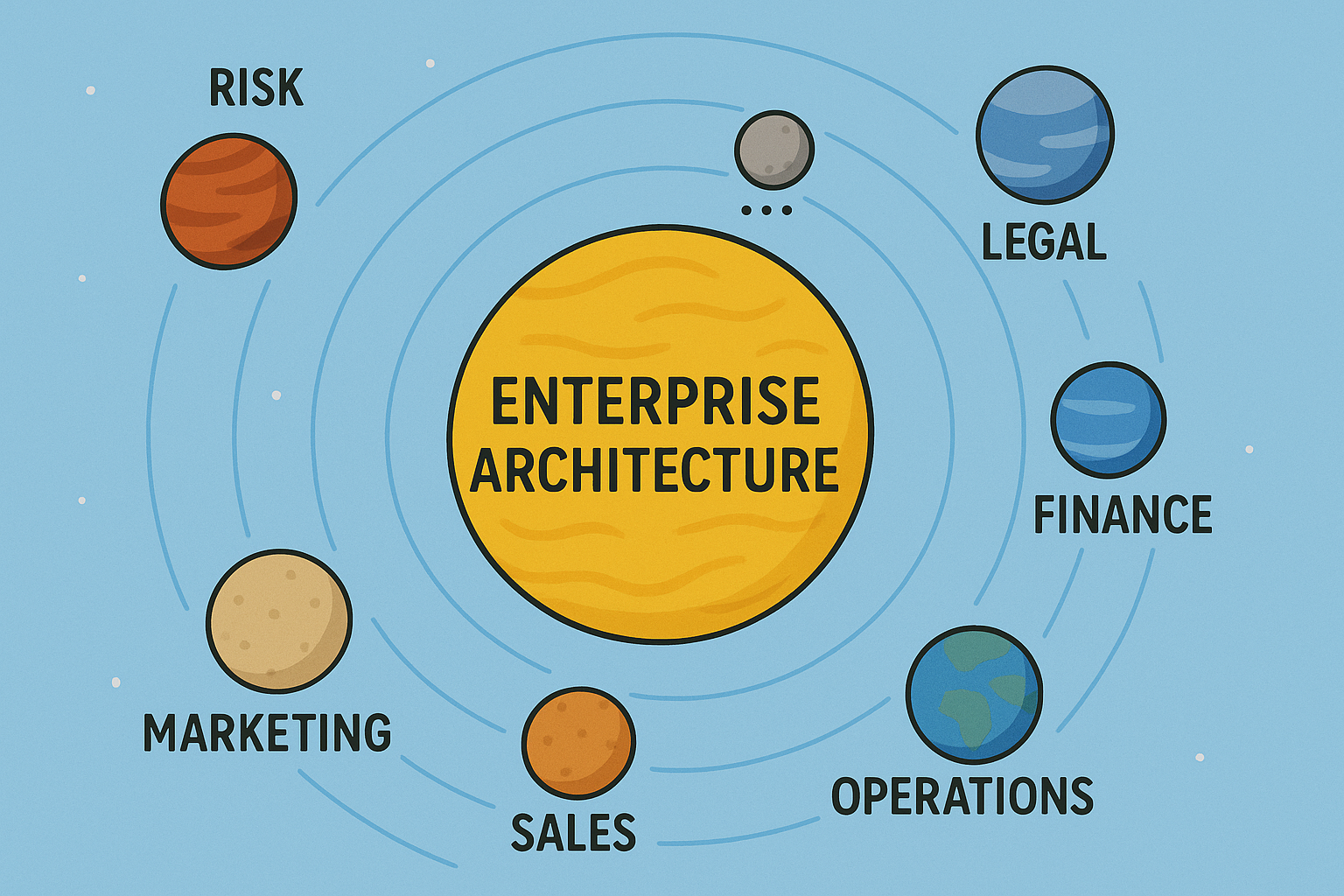
We covered policy integration in the post Unstoppable Enterprise Architecture. That part of our discussion was about how to structurally insert Enterprise Architecture into an organization’s policy machinery and drive value through that intervention. But we still need to address policies specifically, and we will do that now. Again, let’s have a look at how Continue reading
-
Effective Enterprise Architecture Principles: From Policy Gaps to Actionable Direction

In the post Key Steps for Effective Enterprise Architecture Programs we introduced the idea of a conventional structure for enterprise architecture methods, comprised of four parts within a hierarchy: We then focused on policy integration in the post Unstoppable Enterprise Architecture, emphasizing the value that enterprise architecture can provide in a way that’s likely not Continue reading
-
Unstoppable Enterprise Architecture

On any given day, I can scroll through my feeds and see posts about Enterprise Architecture. Most describe it as broad in scope, hard to define, and difficult to measure. Almost all will have an underlying problematic theme of trying to find and effectively show the value of Enterprise Architecture within an organization. I also Continue reading
-
Key Steps for Effective Enterprise Architecture Programs

In the post Defining Enterprise Architecture: A Practical Approach, we defined Enterprise Architecture as the discipline of aligning business strategy with the design and implementation of computer systems. We’ll call this Alignment and Focus. We’ve also established that there are three things we need to do: We’ll call that Things We Need to Do. Alignment Continue reading
-
Defining Enterprise Architecture: From Strategy to Engineered Systems

I recently reread a book on a popular Enterprise Architecture framework. I hadn’t finished it the first time because it read like watching a bad movie, in that you either leave or suffer through it, thinking it might get better. But this time I was determined to read it, and I had chosen the worse Continue reading
-
Enterprise Architecture, ITIL, and the Architectural Role of Asset Management

ITIL, the Information Technology Infrastructure Library, is a framework built on best practices for managing IT service delivery. It defines three types of practices: None of this obviously points to Enterprise Architecture. So why start here? Why Talk About ITIL in a Discussion of Enterprise Architecture? One possible answer is that ITIL includes something called Continue reading